FAQ
Youngtown Copper Questions
How is copper gutter work priced in Youngtown?
There's rarely a copper figure to price in the founding core — the founders' own spec is the reason, and we cite it. If an infill drawing ever genuinely specifies the metal, it prices per formed foot with the aluminum figure beside it. For the cottages, the estimate is the faithful version: fundamentals and quiet-depth finishes, itemized plainly.
What materials do you use for copper gutter work in Youngtown?
For any genuine drawn case the infill might someday hold: solid copper only — site-formed runs, torch-and-solder corners, matched hardware. For the founding town: matched .032 in the range's quiet depths, lifetime material warranty, hung to the standard the philosophy deserves.
How fast is storm response for copper gutter work?
Same-week storm response covers the whole town's systems — the honest metal doing the founders' honest work.
What sizes and profiles does the work cover?
If sheets ever earn it: continuous runs in the standard K widths plus custom sections to the drawing. For the cottages: profiles proportioned to founding-scale planes — the sizing fidelity actually requires.
What warranty applies to this service?
The workmanship on this service is warrantied for 2 years; where genuine .032 aluminum goes up, the metal adds its own manufacturer-backed lifetime material warranty.
How long does copper gutter work usually take?
The bench stays quiet here by the founders' own intent — and the fundamentals get done at the prompt pace modest scopes allow.
How do I know my home in Youngtown needs this?
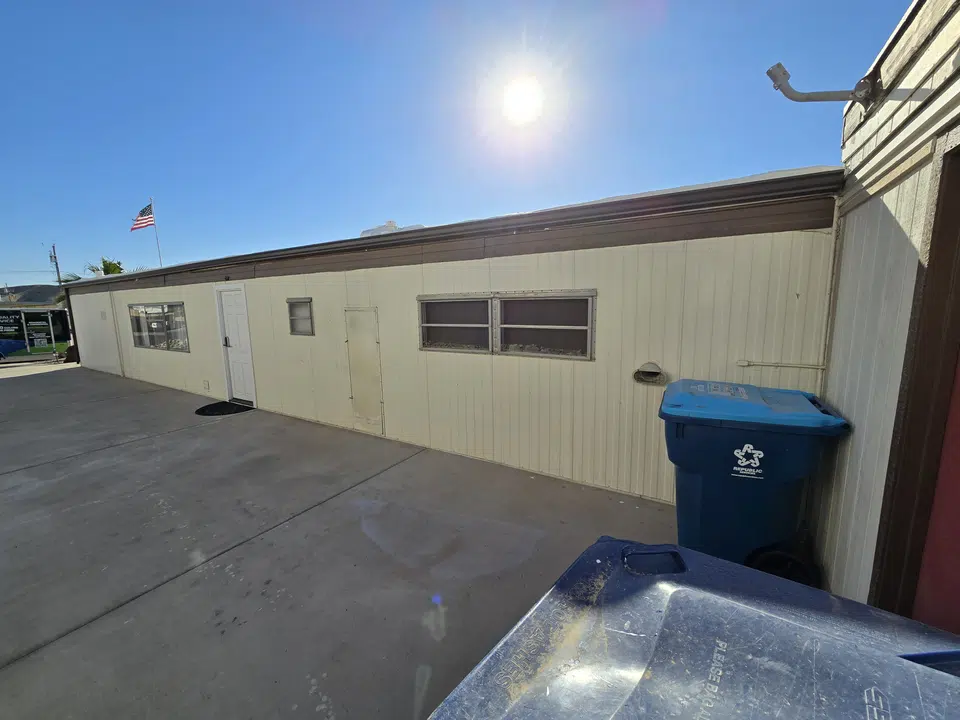
Nobody needs it anywhere — and here the architecture's own founding philosophy answers before we do. The cottages were drawn modest on purpose; the honest improvements continue the drawing rather than argue with it.
Why does copper gutter work matter for monsoon season?
The monsoon tests capacity, fastening, and finished trips — the fundamentals the founding budget always prioritized, and still the right order.
Do you take on new-construction projects?
An infill custom whose plans specified the metal from conception would be the town's first drawn case — tested straight, served whole if the sheets truly ask, and respectfully distinct from the founding core's settled answer.
Do you service systems you didn't install?
Any copper that somehow stands in town gets in-kind care — heat-joined as built, honored at its level — the craft discipline applying even where the philosophy wouldn't have chosen it.
We love that our little house is simple — but simple and shabby are different things. How do we keep it nice without fighting what it is?
You've already found the principle — simple and shabby are different things — and the whole craft of serving this town lives in that difference. Shabby is deferred maintenance wearing the architecture's clothes: sagging runs, stained fascia, stranded downspouts, the entropy that makes plain look poor. Simple kept nice is the founding idea photographing well seventy years on: lines true, metal straight, water managed invisibly, every detail modest and none of them tired. The keeping-nice program for a founding cottage runs entirely inside the philosophy: fundamentals first — capacity honest, trips finished, fastening sound — because nothing reads shabbier than a plain house shedding water badly, and nothing reads more intentional than one whose modest systems visibly work; proportion second — profiles scaled to the cottage's planes, because oversized anything is how simple slides toward costume; and finish depth third, the quiet transformation — the deeper bronzes, the soft charcoals, the tones from the range's serious end that make plain fascia look chosen rather than defaulted, which is the entire visual difference between a house that's simple by design and one that's simple by neglect. That package costs a fraction of any statement upgrade, suits the founders' drawing exactly, and delivers what you actually want: the little house looking like what it's always been — deliberate. That's how you keep faith with simple: maintain it like it matters, because it was drawn like it did.
What licensing covers this work in Arizona?
Yes: AZROC #346705 covers this work in Arizona, we're also licensed in Nevada (NVLIC #0093742), and we carry full insurance — the paperwork is available with any estimate.
Doesn't every town have at least one house that copper would suit?
Most do — and Youngtown's founding core is the fleet's principled exception: architecture whose own design philosophy was deliberate modesty, where statement metal argues with the drawing rather than completing it. If the infill ever produces a genuinely drawn case, the straight test stands ready; the founders' paper answers for the rest.