FAQ
Tempe Routing Questions
How is downspout work priced in Tempe?
Routing work prices from one itemized on-site measurement — per drop, reroute, extension, or leaderhead — with the ground named and the plan drawn before the number lands.
What materials do you use for downspout work in Tempe?
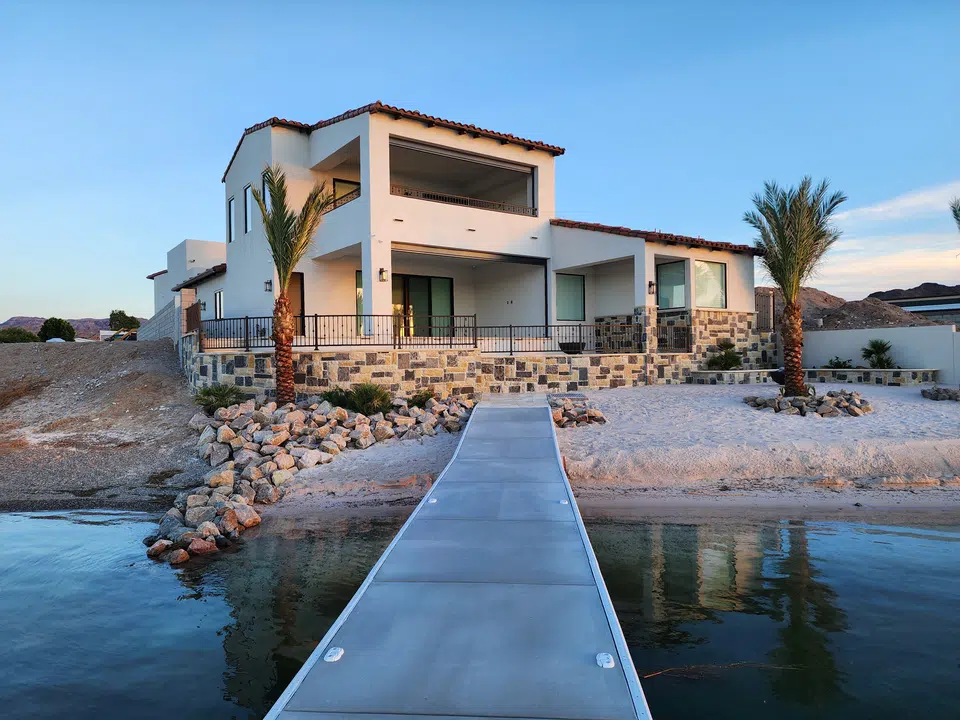
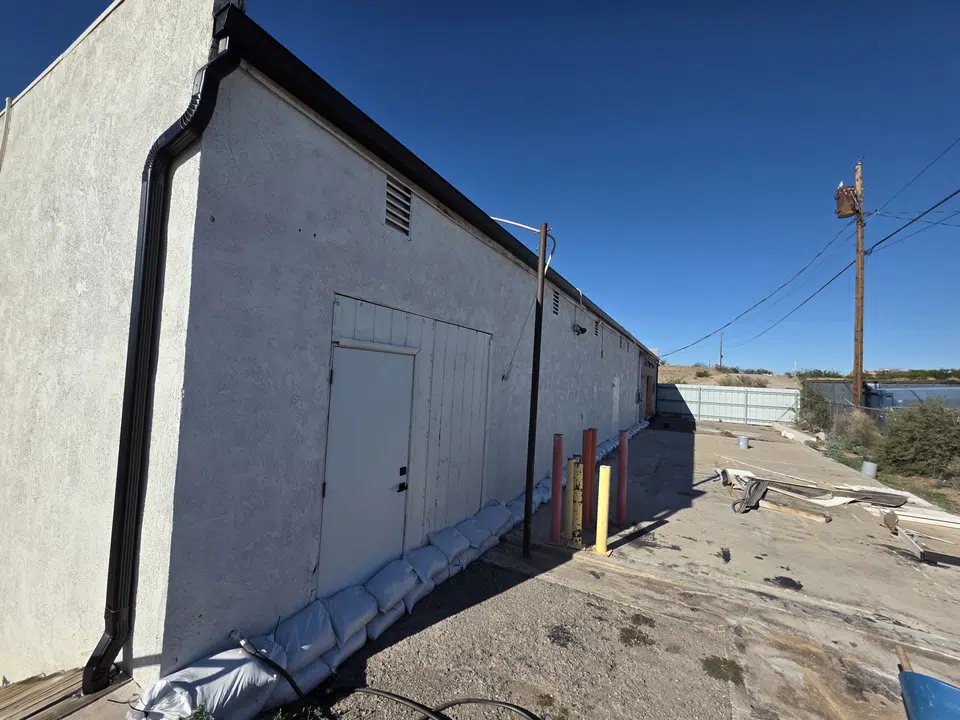
Drops and leaderheads in aluminum matched to your runs, genuine copper where a historic or lakeside elevation earns the visible craft, and galvanized on the working buildings — noted honestly that galvanized can rust as its zinc wears.
How fast is storm response for downspout work?
Same-week in season — with the butte-edge and hardscape calls read fast, since misplaced water on grade or lid compounds by the cell.
What sizes and profiles does the work cover?
Downspouts sized to the run and plane feeding them — standard and oversized profiles, hard-piped where the ground demands, upsized wherever the default chokes.
What warranty applies to this service?
The workmanship on this service is warrantied for 2 years; where genuine .032 aluminum goes up, the metal adds its own manufacturer-backed lifetime material warranty.
How long does downspout work usually take?
Most routing visits finish in one visit — coexistence re-aims, hard-pipe runs, and butte terminations included.
How do I know my home in Tempe needs this?
If storm water is deepening your irrigation days, sheeting your courtyard, or cutting the granite below a butte lot — yes, and naming which ground you're on is the fix's first half.
Why does downspout work matter for monsoon season?
Each ground fails the season its own way: basins overloaded past their design, hardscape sheeting to the foundation, grades carving at the outlet. Routed to its ground, the same burst just passes through.
Do you take on new-construction projects?
The teardown builds get their discharge planned from the site drawings — the lid's storm connection or the block's grade solved before the first monsoon asks.
Do you service systems you didn't install?
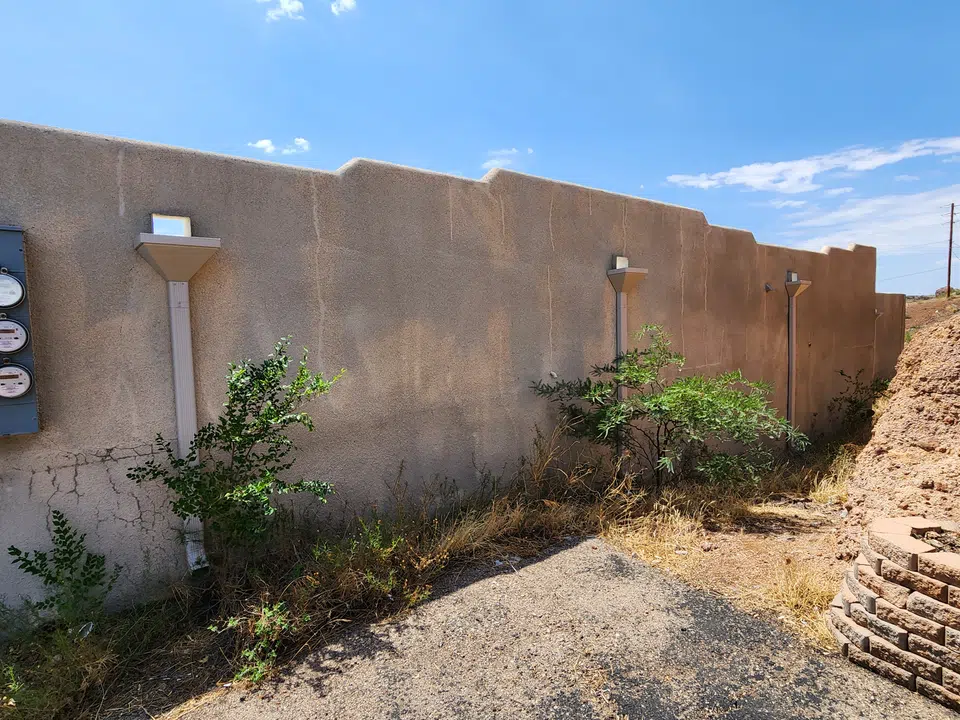
Crushed drops, separated elbows, and strap failures all correct in one visit — with the ground read attached, since half of Tempe's routing failures are the right part on the wrong ground.
Our whole neighborhood floods its yards on an SRP schedule — does that change where our downspouts should go?
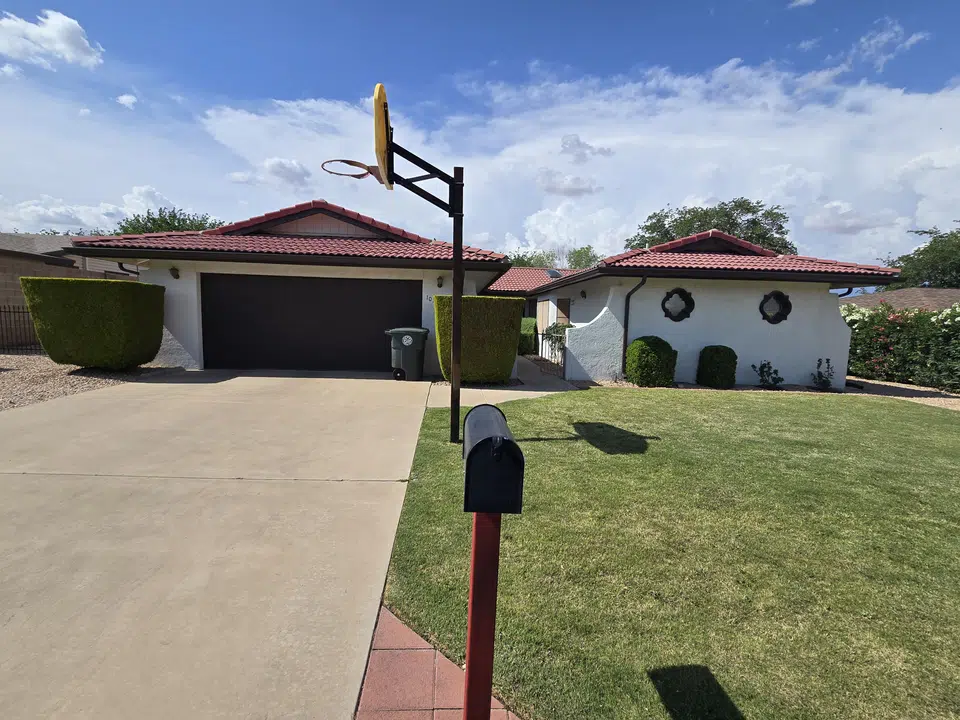
It changes everything, pleasantly. Your yard is a working basin: on delivery days the valves fill it on purpose, the berms hold it, and the trees drink on that rhythm — so the last thing it needs is your roof dumping an unscheduled storm into the same bowl. We route the downspouts to the lanes the irrigation layout leaves dry — the drive side, the street apron, the graded strips outside the berms — so monsoon water exits on its own path while the basin keeps its calendar. Two water systems, one lot, zero arguments: the historic districts have run that arrangement for a century, and good routing just honors it.
What licensing covers this work in Arizona?
Yes: AZROC #346705 covers this work in Arizona, we're also licensed in Nevada (NVLIC #0093742), and we carry full insurance — the paperwork is available with any estimate.
Do you handle the irrigated neighborhoods and the lakeside builds alike?
Yes — all three grounds: the scheduled districts' coexistence routing, the urban lots' hard-piped discipline, and the butte pockets' fall-read terminations. The ground gets named at every address first.