FAQ
Apache Junction Installation Questions
How is gutter installation priced in Apache Junction?
Installation prices from a free on-site measurement — footage, corners, outlets, and finish itemized, $400 minimum stated up front, and the frame named on the sheet because method follows construction.
What materials do you use for gutter installation in Apache Junction?
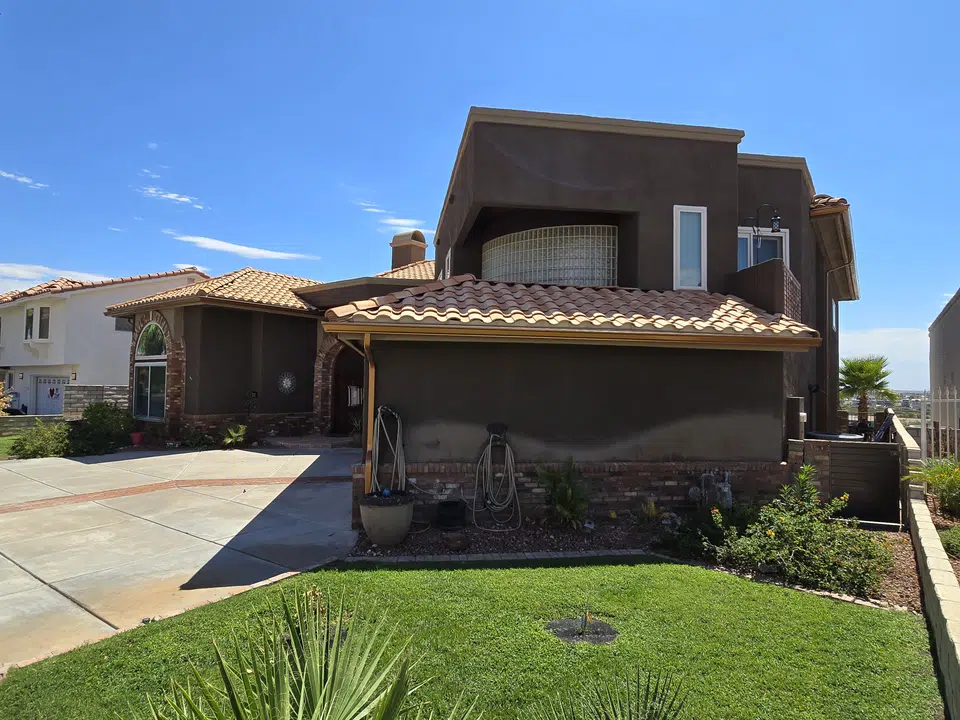
Genuine .032 aluminum on both frames — rust resistant, lifetime material warranty, fifty-plus factory finishes. Copper serves the face-row compositions; galvanized fits the working outbuildings, noted honestly that it can rust as its zinc wears.
How fast is storm response for gutter installation?
Storm-damage installs hold same-week priority June 15 through September 30 — both frames in the same queue, triaged by damage, not by construction type.
What sizes and profiles does the work cover?
Seamless 5-inch and 6-inch K-style — manufactured and single-story rooflines proportioned right on exactly pitched 5-inch, the customs and two-stories earning the 6 by measurement.
What warranty applies to this service?
The workmanship on this service is warrantied for 2 years; where genuine .032 aluminum goes up, the metal adds its own manufacturer-backed lifetime material warranty.
How long does gutter installation usually take?
A day per home, nearly always — either frame, since the method's practiced on both.
How do I know my home in Apache Junction needs this?
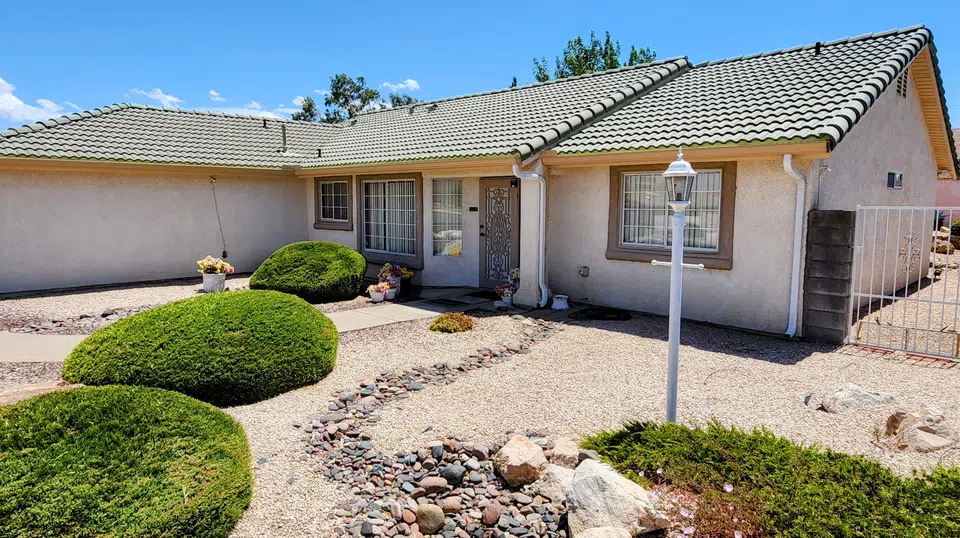
By frame and age: manufactured homes often need their first properly fastened system, the site-built core runs honest decade clocks, the foothill customs need mountain-rated capacity, and the new blocks need first decisions done right.
Why does gutter installation matter for monsoon season?
The Superstitions build weather, and the whole town lives downstream of it — bursts with a running start, wind off the face. Frame-true fastening and honest capacity carry both kinds of construction through.
Do you take on new-construction projects?
Yes — the south side's new blocks get first systems from the drawings, and new manufactured placements get frame-true systems specced from setup.
Do you service systems you didn't install?
Where the tape finds metal honestly worth keeping — either frame — that's the recommendation; where fastening was never frame-right or the span has closed, the numbers come with the ladder view.
Half our street is site-built and half is manufactured — do you honestly do both, or will half of us get the runaround?
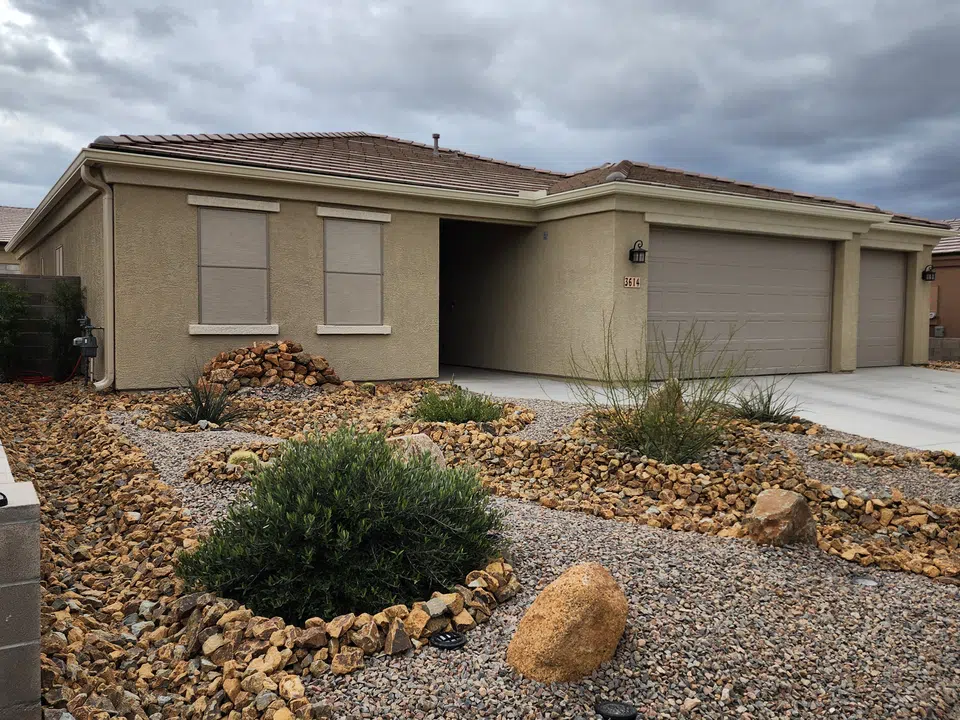
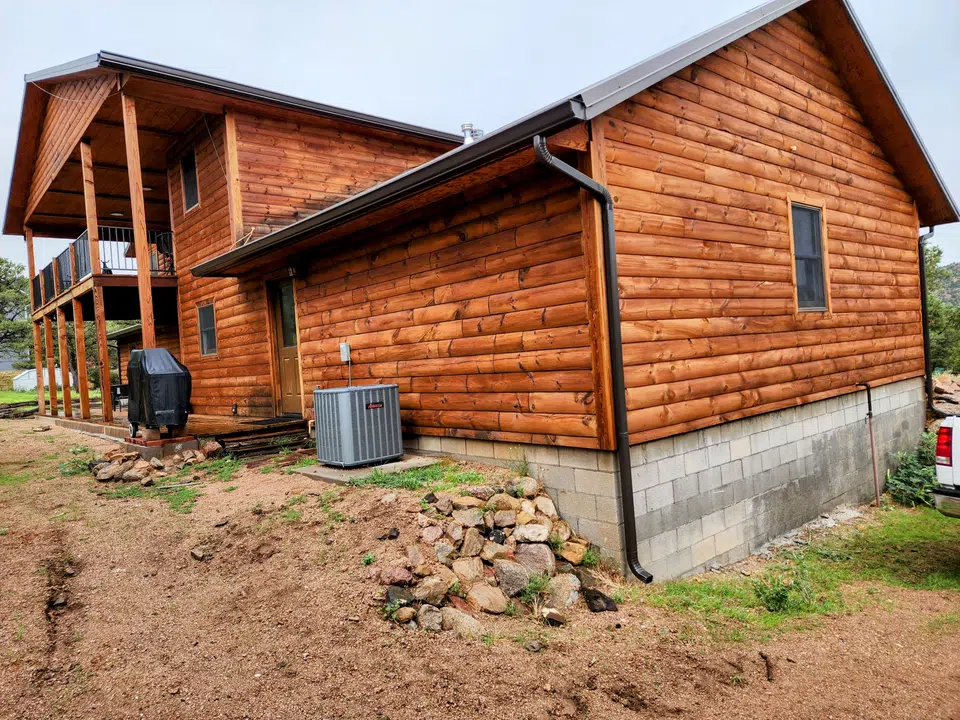
Both, honestly, and your street is exactly why we say it out loud. Apache Junction built itself two ways, and a trade that only speaks one construction leaves half this town collecting shrugs — so the method here starts by naming the frame at each door: site-built eaves get stick-framing's fastening logic, manufactured eaves get anchoring engineered for their actual fascia and backing, and everything after that is identical — the same .032 aluminum formed at the home, the same finish range, the same warranty, the same minimum, the same walkthrough. Nobody on your street gets a different standard; they get a different method, which is precisely what their construction asks for. One street, two frames, one bar — that's the whole page in a sentence.
What licensing covers this work in Arizona?
Yes: AZROC #346705 covers this work in Arizona, we're also licensed in Nevada (NVLIC #0093742), and we carry full insurance — the paperwork is available with any estimate.
Do you really install on manufactured homes, or is that a polite maybe?
Really and affirmatively: genuine .032 seamless aluminum, fastening engineered for manufactured fascia and backing, fifty-plus finishes, full warranty, same $400 minimum — a practiced first-class install, not a favor. Park models are the one case-by-case: measured honestly, quoted where the eave suits our 5-inch profile.